Objective: Create a stable, predictable PLM service model.
Key Activities
Move PLM RUN into structured managed services
Eliminate recurring incidents and noise
Standardize processes, SLAs, and escalation paths
Capture tacit expert knowledge
Value
Improved stability and transparency
5–10% cost optimization
Foundation for automation
Phase 2
Hybrid Operations (Human + AI) (Optimize)
Objective: Reduce effort and improve speed using AI assistance.
Key Activities
AI‑assisted triage, diagnostics, and recommendations
Automated validations and reporting
Proactive monitoring and alerts
Value
20–30% cost reduction
30–50% faster resolution
Higher productivity without risk
Phase 3
Agent Led Operations (Scale)
Objective: Autonomously run standard PLM operations at scale.
Key Activities
Autonomous resolution of predefined incidents
Automated data corrections and workflow handling
Exception‑based human oversight
Value
40–60% run‑cost reduction
2×–3× operational scale
Humans focus on governance and innovation
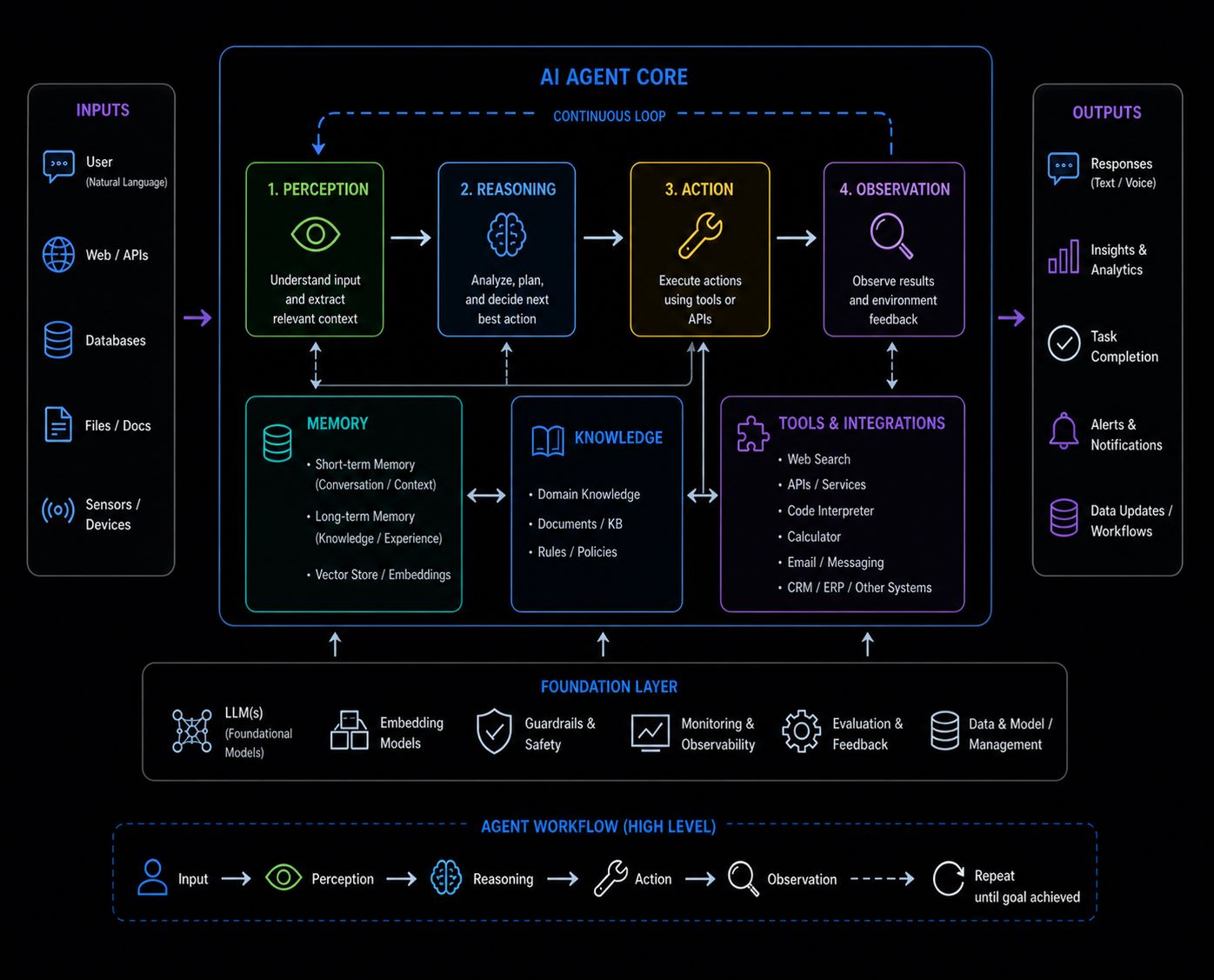
AI Agent Architecture (Enterprise Safe)
How AI Agents Handle PLM Tasks
Step 1
Trigger
Incident, system event, scheduled check, or user query
Step 2
Understand
Identify PLM object, lifecycle state, and dependencies
Step 3
Decide
Auto‑resolve, recommend action, or escalate
Step 4
Executive
Perform approved actions inside PLM
Step 5
Audit & Learn
Log actions and continuously improve
ROI Summary
Phase
Cost Reduction
Efficiency Gain
Risk
Phase 1 – Human
5–10%
Low
Very Low
Phase 2 – Hybrid
20–30%
High
Low
Phase 3 – Agent
40–60%
Very High
Controlled
Business Impact
Financial Impact
Reduced Run Cost: Progressive automation reduces dependency on manual operations, delivering measurable cost savings across support, validation, and monitoring activities.
Improved Cost Transparency: Clear visibility into run costs, automation coverage, and effort distribution enables better budgeting and investment decisions.
Operational Impact
Higher Service Reliability: Proactive monitoring, automated checks, and faster resolution significantly reduce incidents, downtime, and operational disruptions.
Faster Resolution & Throughput: AI‑assisted and agent‑led operations shorten cycle times for incidents, changes, and releases.
24×7 Scalability Without Headcount Growth: Operations scale to increased demand without proportional increases in staffing.
Quality & Compliance Impact
Improved Data Quality: Continuous validation and consistency checks reduce errors in PLM master data, documents, and specifications.
Stronger Compliance & Audit Readiness: Built‑in governance, logging, and rule enforcement ensure traceability and regulatory confidence.
People & Organization Impact
Shift to Higher‑Value Work: Human teams move away from repetitive tasks and focus on governance, innovation, and improvement initiatives.
Reduced Key‑Person Dependency: Standardization and knowledge capture minimize operational risk tied to individual expertise.
Strategic Impact
Future‑Ready PLM Operating Model: A scalable foundation that supports continuous automation, innovation, and long‑term digital transformation.
Sustainable Competitive Advantage: Lower cost, higher agility, and improved reliability position the organization ahead of competitors.